









This month, the TCTMD team's picks spotlight the big picture: TAVI reimbursement, a cardiology-focused AI initiative, volume requirements for interventionalists, and the Fifth UDMI.
William Fearon and C. Michael Gibson break down the final 5-year follow-up of the study comparing FFR-guided PCI vs CABG for patients with three-vessel CAD.
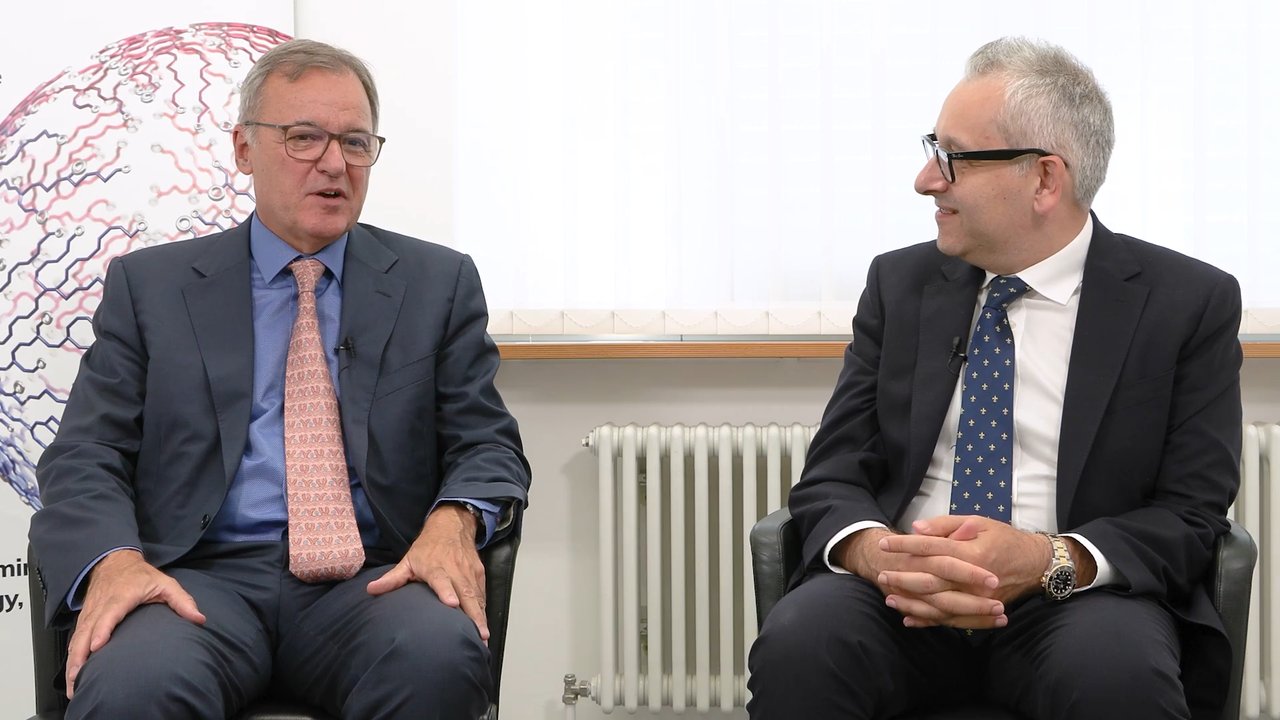
Join us for a discussion on the new data from TCT 2023 on transcatheter tricuspid valve replacement with the Columbia Structural Heart and Valve team. In this episode, delve into not only the latest findings but also the intriguing questions that arise from the groundbreaking research.
View educational cardiology content from CRF Connect’s curated learning tracks.
This educational program focuses on exploring the role of atrial shunts in managing heart failure with preserved ejection fraction (HFpEF). It delves into various aspects of interatrial shunting and its potential in addressing residual risk in HFpEF. The program is designed to provide insights from leading experts in the field, covering the long-term impact on right heart function, evaluating relevant clinical endpoints, and comparing different shunting techniques and devices.
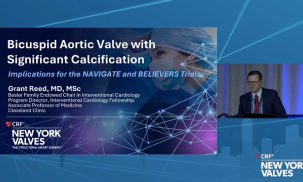
Transcatheter Aortic Valve Replacement (TAVR) continues to deliver excellent outcomes in well-selected populations. However, as TAVR expands into routine practice, operators are increasingly treating patients with challenging anatomies that test the limits of device design, imaging precision, and procedural judgment.
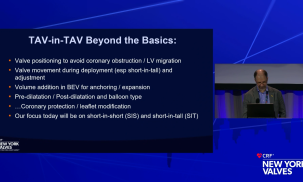
The number of patients requiring reintervention following transcatheter aortic valve replacement (TAVR) continues to rise as the initial wave of TAVR implants matures. While TAV-in-TAV approaches have shown promise, optimizing outcomes in varying failure modes—such as short-in-tall or short-in-short valve configurations—remains challenging. Clinicians face practice variability in selection strategies, device sizing, imaging interpretation, and procedural safety. There is a critical educational need to review new data, real-world case lessons, and procedural nuances that guide successful reinterventions.