ACASA-TAVI and NOTION-4 Trials Give Mixed Messages on DOACs After TAVI
The data support the idea that active anticoagulation limits HALT, but with discrepancies in safety findings.


Two different direct oral anticoagulant (DOAC) strategies following successful TAVI in patients without another indication for oral anticoagulation provided conflicting results in the ACASA-TAVI and NOTION-4 trials.
Both studies were presented during a Hot Line session at the European Society of Cardiology Congress 2026 in Munich, Germany, over the weekend.
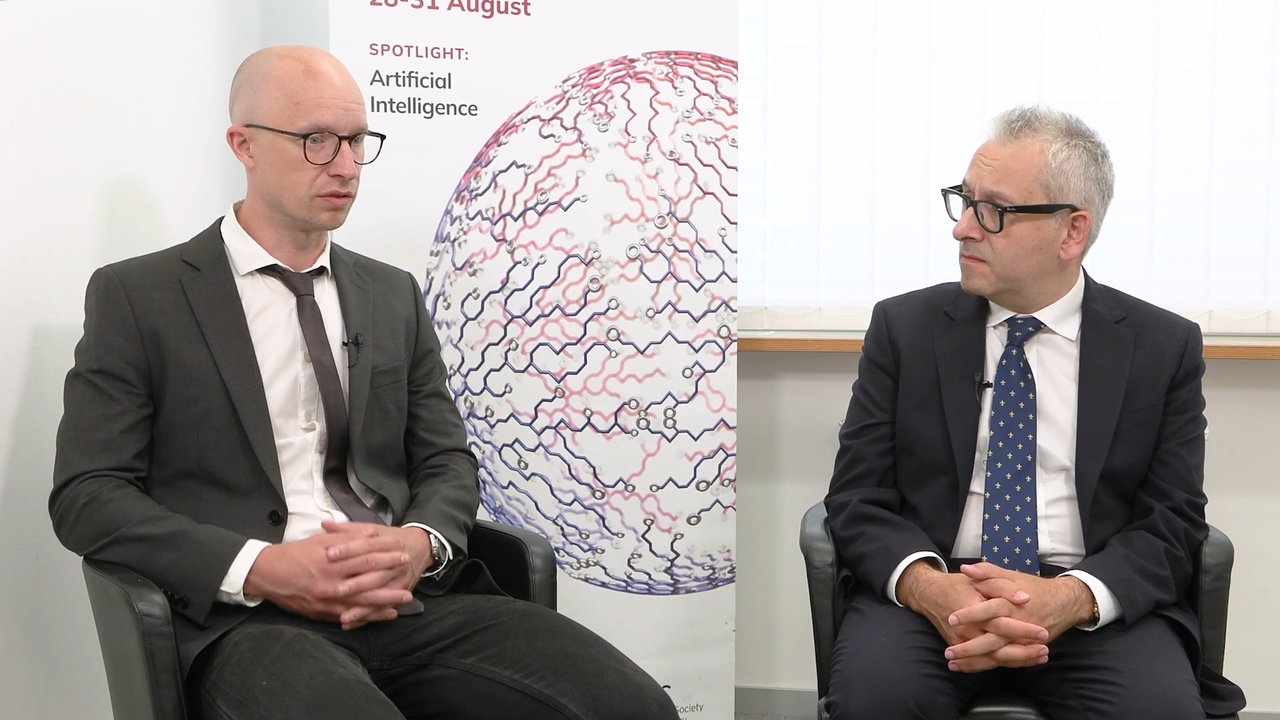
In ACASA-TAVI, patients treated with 12 months of DOAC monotherapy after their procedures had significant reductions in subclinical leaflet thrombosis, indicated by the presence of hypoattenuated leaflet thickening (HALT) on CT, compared with those treated with low-dose aspirin, Øyvind H. Lie, MD, PhD (Oslo University Hospital, Rikshospitalet, Norway), reported.
“Importantly, this better valve protection did not come at an unacceptable increase in bleeding, stroke, myocardial infarction, or death,” he said at a media briefing.
In NOTION-4, however, there was no difference in the rate of HALT at 1 year between patients treated with 3 months of DOAC therapy followed by 9 months of aspirin versus aspirin monotherapy for the entire year, Troels Højsgaard Jørgensen, MD, PhD (The Heart Center, Rigshospitalet, Copenhagen University Hospital, Denmark), reported. A composite safety endpoint consisting of all-cause mortality, stroke, or major/life-threatening bleeding significantly favored aspirin monotherapy.
Lie acknowledged that the ACASA-TAVI findings, published simultaneously in JAMA, “might be a little bit provocative” because they challenge current practice. In the absence of other indications for oral anticoagulation, clinical guidelines recommend using aspirin following TAVI and avoiding DOACs based on trials like GALILEO, which was stopped early due to an excess of death or thromboembolic events in the anticoagulation arm, and ATLANTIS.
Notably, the NOTION-4 findings are consistent with that guidance.
Serving as the discussant for both trials, Stephan Windecker, MD (University Hospital Bern, Inselspital, Switzerland), said that “single antiplatelet therapy remains the default strategy as recommended in the guidelines,” but he added that “we need to pay attention to optimize TAVR implantation to reduce the risk of HALT.”
ACASA-TAVI
Lie noted that because TAVI has moved into progressively younger age groups, patients are expected to live longer with their implanted valves. “This puts more importance on our efforts to make sure that the valves can last as long as possible,” he said.
Subclinical leaflet thrombosis in the form of HALT has been a topic of interest, he said, because it occurs in up to one-quarter of patients treated with aspirin after TAVI and has been associated with earlier valve degeneration, thromboembolic events, and death.
Prior trials exploring post-TAVI antithrombotic strategies, including GALILEO, ATLANTIS, ADAPT-TAVR, and POPular TAVI, have explored different combinations of therapies, but there remained a need to compare DOAC monotherapy with aspirin monotherapy, Lie said.
ACASA-TAVI, conducted at three centers in Norway, was designed to fill that gap. Investigators randomized 360 patients with severe aortic stenosis ages 65 to 80 years (mean age 74.5 years; 37.2% women) to 12 months of DOAC monotherapy (with apixaban, edoxaban, or rivaroxaban) or aspirin 75 mg daily after successful TAVI.
There were two co-primary outcomes, both assessed at 12 months:
- Subclinical leaflet thrombosis based on the presence of HALT on blinded core lab-adjudicated 4D cardiac CT
- Adjudicated VARC-3 bleeding events, thromboembolic events, and all-cause death
HALT was detected in 16.2% of patients treated with DOACs and 28.6% of those treated with aspirin (risk ratio 0.55; 95% CI 0.37-0.82), with a substantial reduction in grade 3 and 4 HALT with DOACs (0.6% vs 9.0%).
The composite safety endpoint occurred in 7.5% and 10.6% of patients treated with DOACs and aspirin, respectively, with the difference establishing the noninferiority of DOACs (P < 0.001).
“We saw lower-than-anticipated rates of the safety outcome,” Lie said, explaining that “the predefined noninferiority margin is way too lenient.” But, he added, “when we applied the actual post hoc 35% margin, [noninferiority] was still met.”
VARC-3 bleeding was numerically less frequent in the DOAC arm (2.3% vs 4.0%), with life-threatening or fatal bleeding occurring only in aspirin-treated patients. All-cause death was numerically lower with DOAC therapy as well (1.1% vs 5.6%), although that was based on only 2 events in the DOAC arm and 10 in the aspirin arm.
“These numbers are, of course, very small,” Lie said. “We should be very careful with this interpretation of a secondary outcome.”
It’s also unclear, he said, what the reduction in HALT at 1 year will mean for patients in the future. “That is something we have to establish next—whether preventing leaflet thrombosis will translate into better clinical outcomes [and] longer valve durability,” he said.
The ACASA-TAVI investigators plan to follow patients out to 5 and 10 years, after finishing their 12-month course of DOAC or aspirin, to help provide some insights into the longer-term impact.
NOTION-4
The primary endpoint was the occurrence of HALT involving at least one prosthetic leaflet at 12 months. Although HALT was less commonly seen on CT in the DOAC versus antiplatelet arm at 3 months (12.1% vs 31.8%; P < 0.001), the difference was no longer evident at 1 year (28.3% vs 32.2%; P = 0.54).
That suggests, Jørgensen said, “the impact of short-term DOAC on HALT is not permanent.”
The composite endpoint of all-cause mortality, stroke, or major/life-threatening bleeding was significantly more frequent in the DOAC versus antiplatelet arm at 1 year (8.2% vs 2.3%; P = 0.008), with most safety events occurring at numerically higher rates in the DOAC arm. That included all-cause mortality (4.1% vs 1.7%) and CV mortality (2.9% vs 1.1%).
Echocardiography at 1 year revealed no cases of severe structural valve deterioration and no differences between groups in moderate or greater paravalvular regurgitation and mean transprosthetic gradient.
Jørgensen noted that considering the trial’s precision, “we cannot confirm or exclude a modest sustained effect on HALT in the DOAC 3-month group. But importantly, short-term DOAC therapy was associated with an increased risk of clinical events without a corresponding sustained benefit on HALT prevalence in the long term.
“Together,” he concluded, “these findings support the current guideline recommendation against routine use of DOAC after TAVI in patients without any other indication for oral anticoagulant therapy.”
Inconclusive Results
During his discussion, Windecker pointed out that based on evaluation with 4D CT, HALT has been seen in 10% to 40% of patients undergoing TAVI or SAVR, adding that substudies of GALILEO and ATLANTIS showed that use of DOACs reduces HALT risks by a relative 50% to 60%.
Turning to the randomized trials that have evaluated antithrombotic strategies following TAVI, Windecker noted that ARTE and POPular TAVI established single antiplatelet therapy over dual antiplatelet therapy. GALILEO and ATLANTIS showed that DOACs increased risks of either death or serious bleeding.
On that background, ACASA-TAVI and NOTION-4 provide discordant results when it comes to CT-detected HALT at 12 months, he said. The explanation, he added, is “that the transitory efficacy in NOTION-4 observed at 3 months with a 60% relative risk reduction was not maintained.”
The evolution of HALT observed in NOTION-4 was similar to what was seen in a PARTNER 3 CT substudy, “indicating that there are intrinsic processes at the valve level related to leaflet thrombosis, potentially stent frame underexpansion or flow disturbances in the aortic root.”
The safety results of ACASA-TAVI and NOTION-4 were discordant as well, Windecker said. “But please note that overall event numbers were very low, the treatment estimates are imprecise, and the confidence [intervals] are wide, compatible with both benefit and harm.”
Looking at the totality of evidence from these and prior trials, he said “there’s substantial heterogeneity, and I would say the results are overall nonconclusive.”
Though DOACs do reduce the occurrence of HALT, the effect is not durable and the treatment has not been shown to improve clinical outcomes, Windecker concluded, adding that “routine screening for HALT is not recommended.”
Thus, he said, an open question moving forward is which adjunctive antithrombotic therapy can be used to improve clinical outcomes, with several studies ongoing to help provide insights.

Todd Neale is the Associate News Editor for TCTMD and a Senior Medical Journalist. He got his start in journalism at …
Read Full BioSources
Dodgson CS, Herstad J, Kløve SF, et al. Anticoagulation monotherapy vs antiplatelet monotherapy after transcatheter aortic valve implant: the ACASA-TAVI randomized clinical trial. JAMA. 2026;Epub ahead of print.
Jørgensen TH, Larsen AF, Jensen JM, et al. Short-term anticoagulant therapy and subclinical leaflet thickening in transcatheter aortic valves: the NOTION-4 trial. JACC. 2026;Epub ahead of print.
Disclosures
- ACASA-TAVI was funded by a public research grant from South-Eastern Norway Health Authorities.
- Lie reports receiving personal fees from Edwards Lifesciences, Medtronic, and Abbott outside the submitted work.
- NOTION-4 was supported by the Novo Nordisk Foundation, Denmark.
- Jørgensen reports no relevant conflicts of interest.
- Windecker reports research, travel and/or educational grants to his institution from Abbott, Abiomed, Alnylam, Amicus Therapeutics, Amgen, AnandicMedical Systems, Anteris, AstraZeneca, Bayer, B.Braun, Bioanalytica, Biotronik, Boehringer Ingelheim, Boston Scientific, Bristol Myers Squibb, Cordis Medical, CorFlowTherapeutics, CSL Behring, Daiichi Sankyo, Edwards Lifesciences, Eli Lilly (Suisse), Lifesciences, Fumedica, GE Healthcare, Guerbet, IACULIS, Inari Medical, Janssen AI, Johnson & Johnson, Linde Gas, M.A. Medalliance, Medtronic, MSD Merck Sharp & Dohme, Novartis, Novo Nordisk, OM Pharma, Orchestra BioMed, Pfizer, Philips AG, Sanofi-Aventis, Servier, Siemens Healthcare, Sinomed, SMT Sahajanand Medical Technologies, TRiCaresGmbH, Vascular Medical, V-Wave, ZOLL Medical. He also serves as advisory board member, consultant, and/or member of the steering/executive group of trials funded by Abbott, Amgen, Anteris, Abiomed, Edwards Lifesciences, EnCardaInc., Medtronic, Novartis, and Sinomed, with payments to his institution but no personal payments. He is a member of the steering/executive committee group of several investigator-initiated trials that receive funding from industry without an impact on his personal remuneration.
Related News


Comments