FDA Approves First Expandable Option for Pediatric Patients With Pulmonary Valve Disease
The Autus surgically implanted device, made by Edwards Lifesciences, is also novel for its leaflets consisting of ePTFE.


Pediatric patients with congenital pulmonary valve disease now have access to a new device in the United States: the Autus size-adjustable valve. Edwards Lifesciences and the US Food and Drug Administration each announced the approval yesterday.
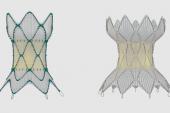
Autus, a surgically implanted valve, is the first ever designed to be expanded after the initial surgery, keeping pace with the child’s growth. The hope is that the “innovative device may reduce the need for open-heart surgery,” an FDA press release says, pointing out that it’s also novel for its leaflets consisting of expanded polytetrafluoroethylene (ePTFE) rather than animal-derived tissue.
“Children with congenital pulmonary valve disease have long needed prosthetic valves that can account for growth over time,” Emile Bacha, MD (NewYork-Presbyterian/Columbia University Irving Medical Center, New York, NY), an investigator who took part in the study, said in an Edwards Lifesciences press release. “The Autus valve gives congenital heart teams a new way to think about long-term care planning for pediatric patients who may otherwise face multiple surgeries.”
The agency based its decision on a 62-patient pivotal study conducted across 12 US sites. According to the FDA, all patients had successful procedures, with no deaths, valve thrombosis requiring treatment, strokes, or symptomatic thromboembolism. At 6-month follow-up, the study showed acceptable hemodynamic performance and no more than mild paravalvular leak on transthoracic echocardiography.
Valve fracture and reduced leaflet motion occurred in three and two patients, respectively, though these events were asymptomatic. For two patients, valve performance began to deteriorate as they grew; in both cases, valves were successfully expanded without repeat surgery.
“Longer-term studies are being conducted to better understand these risks, and to collect more data to show that expansion can maintain a functional valve that may lead to fewer surgical procedures for patients,” the FDA says.
The Edwards Lifesciences statement further reports that 100% of patients who completed 1-year follow-up had a right ventricular outflow tract mean gradient of no more than 40 mm Hg, less than moderate pulmonary regurgitation, and no valve reinterventions. Annual follow-up will continue through 10 years.

Caitlin E. Cox is Executive Editor of TCTMD and Associate Director, Editorial Content at the Cardiovascular Research Foundation. She produces the…
Read Full BioSources
US Food and Drug Administration. FDA approves first heart valve designed to grow with children. Published on: October 1, 2026. Accessed on: October 2, 2026.
Disclosures
- Bacha has received reimbursement from Edwards Lifesciences for travel and lodging related to educational activities.
Related News


Comments