June 2026 Dispatch for the CV Team
This month: Medically tailored meals, nurses front and center for prevention, GLP-1s and muscle mass in cardiac rehab, and more.


Every month, Section Editor L.A. McKeown curates a roundup of recent news beyond our regular TCTMD coverage, with tidbits from journals and medical meetings around the globe that are of special interest to heart teams and allied cardiovascular professionals.
Even in pregnancy, fitting in time for exercise is important. In a study of 470 pregnant women (mean age 30.7 years), those who were sedentary for most of the day, engaged in little light-intensity movement, and took few steps had a greater risk of adverse pregnancy outcomes, including hypertensive disorders of pregnancy, gestational diabetes, preterm birth, and having an infant who was small for gestational age, than those who sat less and exercised more. Writing in JAMA, the researchers say “optimizing lighter-intensity activity patterns should be rigorously tested as a strategy to improve pregnancy health.”
Food-insecure Medicaid patients in Massachusetts who had medically tailored meals (five lunches and five dinners, plus snacks) delivered to their home once per week for at least 3 months had 31% fewer hospitalizations and 20% fewer emergency department visits than patients who were eligible for the meals but were not enrolled to receive them. Costs also declined, with those reductions offsetting 98% of the money put toward the meals, resulting in net costs of $14.90 per person per month, investigators write in Nature Medicine.
 This month, the Journal of Studies on Alcohol and Drugs published a report on alcohol-attributable harm to health. The report, which includes lifetime risk estimates from large population-based data sources, suggests that alcohol-related health risk can occur at very low levels of consumption—as little as one drink per day—and that claims of protective effects from moderate drinking are not supported by “high-quality, bias-adjusted evidence.” No protective effect of drinking was observed at any level of intake, according to the government-commissioned report, which was meant to inform and update the newly released Dietary Guidelines for Americans, 2025-2030. An editorial explains that the report’s findings were omitted from the guidelines in favor of general advice to “consume less alcohol for better overall health.”
Preparing nurses to deliver interventions targeting behavior and lifestyle changes is “an urgent and underdeveloped priority in cardiovascular care, requiring immediate alignment of nursing education and practice with prevention-focused models,” according to an editorial published in Nursing Open. Framing this as a “necessary response to the growing burden of cardiometabolic disease,” the editorialists say BSN and MSN programs need to act quickly by advancing lifestyle medicine and prevention-focused training if there is any hope of closing the gap between prevention goals and clinical practice.
Patients with advanced heart failure with reduced ejection fraction (HFrEF) who have progressed beyond recommended stage C therapies—the C2D population—are increasingly being seen in clinical practice. A position statement published in JACC: Heart Failure proposes a clinical definition for C2D patients, identifies knowledge gaps in care, and recommends future directions that may be helpful, such as physiological phenotyping, with social determinants and patient preferences included as modifiers.
A review article in Clinical Medicine Insights: Cardiology takes a look at proposed mechanisms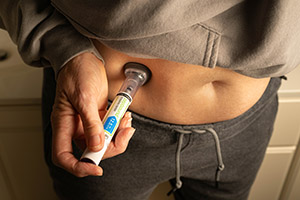 through which tirzepatide (Mounjaro and Zepbound; Eli Lilly) may improve cardiovascular risk across the cardiometabolic continuum. The paper examines dedicated evidence on outcomes from several major trials while touching on important uncertainties that remain.
While both cardioversion and ablation are associated with improved quality of life in patients with chronic atrial fibrillation (AF), a small study found greater reductions in anxiety and sleep disturbance scores in those treated with cardioversion. Patients in the ablation group did see some decline in their levels of anxiety, though not as great in comparison with cardioversion, but saw no changes in their sleep quality, according to the study results published in Clinical Cardiology. The authors stress that longer follow-up is needed to better understand these differences.
Patients and nurses agree that peripheral vascular interventions for PAD that are done radially result in a higher level of patient comfort and are easier to manage in the postprocedural time frame. The small study, published in the Journal of Cardiothoracic Surgery, found that patients reported less discomfort and fewer difficulties eating, using the bathroom, sleeping, and walking compared with patients treated femorally. For their part, the nurses surveyed reported that transradial patients needed less help with bathroom care, eating care, care of the access site, and postoperative complications.
 Despite concerns that glucagon-like peptide-1 (GLP-1) receptor agonists increase the risk of losing muscle as a result of rapid weight loss, a study of patients undergoing intensive cardiac rehab found no excess skeletal muscle mass loss after a median of 231 days in those who were on a GLP-1 compared with those who were not. Reporting in the European Journal of Preventive Cardiology, the investigators say both groups improved their fitness and lost body fat while holding steady with their skeletal muscle mass, suggesting that GLP-1 therapies can be used alongside structured exercise in patients thought to benefit from them.
Palliative care should be integrated into HF care throughout the disease trajectory, a scientific statement from the American Heart Association suggests. As patients develop more complex needs and poorer health-related quality of life, palliative care specialty teams become more important as an aid in deprescribing and palliative pharmacotherapy, as well as in managing anxiety, depression, and spiritual well-being, according to the statement published in Circulation.
News Highlights From TCTMD:
Resistance Training in Women Linked to Fewer CVD Events
CMS Proposes Expanding TAVI Coverage to Asymptomatic Patients
New 10-Year TAVI Data Generally ‘Reassuring’ But Highlight Challenges
CVD Risk Factors, Including Hypotension, Linked to Alzheimer’s Disease
Meta-analysis: Prasugrel the Best P2Y12 Inhibitor After PCI?

L.A. McKeown is a Senior Medical Journalist for TCTMD, the Section Editor of CV Team Forum, and Senior Medical…
Read Full BioRelated News



Comments