September 2026 Dispatch for the CV Team
This month: Virtual reality calms claustrophobia, tweaking trial recruitment, multidisciplinary TAVI recovery efforts, and more.


Every month, Section Editor L.A. McKeown curates a roundup of recent news beyond our regular TCTMD coverage, with tidbits from journals and medical meetings around the globe that are of special interest to heart teams and allied cardiovascular professionals.
Having the option to use a virtual reality headset may help some patients with claustrophobia or anxiety get through cardiac imaging tests more comfortably, according to a study presented recently at the American College of Cardiology Quality Summit 2026. Of those who chose to wear the headset, 95% completed their PET/CT scan with no issues. While the system cost $4,387, with a monthly fee of $168, the researchers estimated saving approximately $3,000 for each imaging study that was not cancelled or aborted due to patient-related factors.
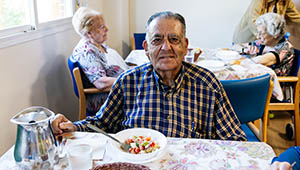
In the BOCADOS-IC trial, a structured nutritional intervention that included tailored diet and exercise advice improved nutritional status, biometric parameters, and quality of life in elderly patients with heart failure (HF) who were identified as being at risk of malnutrition. Compared with usual care, those in the intervention group had better scores on the Mini Nutritional Assessment-Short Form (MNA-SF) and on the Minnesota Living with HF Questionnaire, plus greater improvements in mid-arm muscle circumference at 6 months, researchers report in Revista Espaňola de Cardiología.
A review article in JACC describes how CV health inequities in women emerge early in life, accumulating and compounding over time, and details how numerous interventions may help address and improve the situation. “Achieving equitable cardiovascular health requires a coordinated, multidisciplinary, and multilayered approach spanning clinical interventions, technology, team-based care, community engagement, and health policy with conscious attention to ensuring that each strategy reaches those with the greatest need rather than widening existing gaps,” the authors write.
The September issue of the European Journal of Preventive Cardiology is focused on muscle health and physical activity. Articles include a look at a community-based walking intervention, a position paper proposing health span-oriented metrics as outcomes to better quantify the effects of exercise and physical activity, and a study suggesting that the sitting-rising test may be a predictor of premature natural and CV death.
Maternal and fetal cardiovascular responses to submaximal exercise testing appear to be very similar in singleton and twin pregnancies. By revealing few differences in heart rate, cardiac output, stroke volume, ejection fraction, or umbilical blood flow, the small study published in the British Journal of Sports Medicine challenges current thinking about physical activity limits in twin compared with singleton pregnancies, the authors note.

The way in which patients are approached about clinical trial participation can make a difference in the diversity of the cohort that ultimately is recruited, a study in the Journal of Cardiac Failure - Intersections suggests. Compared with other methods, in-person recruitment resulted in the highest consent rates, with no significant differences between Black and white participants. The authors say the findings “highlight the importance of prioritizing in-person recruitment even when considering multiple recruitment strategies to ensure inclusivity in observational registry-based research.”
The percentage of children without diabetes who have been prescribed glucagon-like peptide-1 (GLP-1) receptor agonists for weight loss has increased 310-fold in the last 7 years. The report in Pediatrics found that about 94% of these children had severe obesity and 65% had at least one obesity-related condition such as hypertension, sleep apnea, or hyperlipidemia.
On the heels of news of the Lp(a)HORIZON trial failing to meet its primary endpoint of improved CV outcomes with decreasing lipoprotein(a) levels, an analysis from NHANES III published in the European Journal of Preventive Cardiology suggests that the mortality benefits of Lp(a)-lowering may be confined to those at the highest end of the risk spectrum. The influence of traditional CV risk factors was < 0.02% of the relationship between Lp(a) and mortality, suggesting an independent impact of Lp(a), but only in those at highest risk as defined by the PREVENT equations.

A digitally supported multidisciplinary program initiated in the hospital can help patients be more prepared for TAVI, go home earlier, and recover faster. Describing the intervention in Nursing Open, investigators say it provided structured education about the procedure, self-care, nutrition, pain assessment, and individualized rehabilitation recommendations. Compared with those who received usual care, patients in the program showed greater procedural knowledge, less early frailty, greater independence in activities of daily living, shorter hospitalization, and more favorable follow-up functional and health-status outcomes.
News Highlights From TCTMD:
Registry Shines Light on High ASCVD Burden in Arab Americans
Fifth Universal Definition of MI Unveiled at ESC 2026
STAREE: Statins Cut MACE Risk by 30% in Older Adults With No CVD History

L.A. McKeown is a Senior Medical Journalist for TCTMD, the Section Editor of CV Team Forum, and Senior Medical…
Read Full BioRelated News



Comments