Oral Semaglutide Gets FDA Approval for CV Event Reduction in High-risk Diabetes Patients
In the recent SOUL trial, the GLP-1 drug reduced the risk of MACE by 14% over 4 years. Next up: a possible obesity indication.

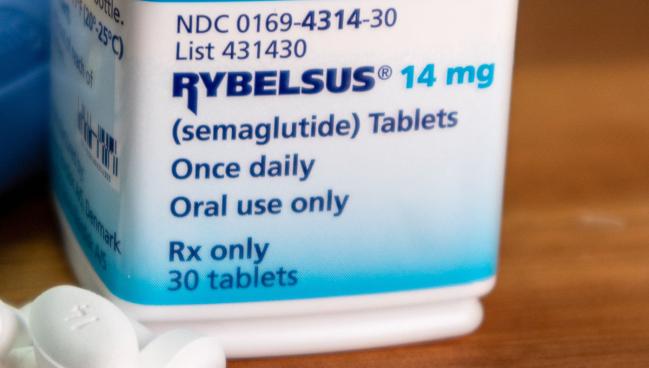
Oral semaglutide (Rybelsus) can now be used to reduce major adverse cardiovascular events in patients with type 2 diabetes and high cardiovascular risk, following the US Food and Drug Administration’s sign-off.
Patients need not have already experienced MACE to be considered eligible for the drug, according to an announcement by manufacturer Novo Nordisk.
Oral semaglutide was originally approved in 2019 for improving glycemic control in adults with type 2 diabetes. The expanded indication comes on the basis of the SOUL trial.
The study, published in the New England Journal of Medicine, randomized 9,650 patients who had type 2 diabetes and were at high cardiovascular risk to receive either oral semaglutide (maximum dose 14 mg) or placebo once daily on top of standard care. Researchers found the GLP-1 receptor agonist cut the combined risk of cardiovascular mortality, nonfatal MI, or nonfatal stroke in the trial by 14% after a mean follow-up of 47.5 months, a benefit driven by a reduction in nonfatal MI.
“Even in the absence of a previous heart attack or stroke, adults with type 2 diabetes face an increased risk of cardiovascular events, underscoring the need for therapies that go beyond managing blood sugar,” John B. Buse, MD, PhD (UNC School of Medicine, Chapel Hill, NC), steering committee co-chair for SOUL, said in a press release.
“Having an oral GLP-1 therapy to help improve glycemic control was an innovation in and of itself,” he continued. “This new indication, based on the SOUL data, marks even further advancement and showcases the versatility of semaglutide while expanding options for millions of people.”
In SOUL, the overall safety profile of oral semaglutide was in line with what had been seen in prior trials, Novo Nordisk said. Serious adverse events, most commonly cardiac disorders and infections/infestations, were less frequent overall with drug therapy in comparison to placebo (47.9% vs 50.3%), though GI disorders occurred more frequently with semaglutide (5.0% vs 4.4%). Ultimately, 15.5% of the semaglutide group and 11.6% of the placebo group stopped taking their assigned study drug.
Next up for oral semaglutide is a potential indication for treatment of obesity. According to Novo Nordisk, the FDA’s decision on that matter is expected later this year.

Caitlin E. Cox is Executive Editor of TCTMD and Associate Director, Editorial Content at the Cardiovascular Research Foundation. She produces the…
Read Full BioSources
Novo Nordisk. FDA approves Novo Nordisk's oral semaglutide for cardiovascular (CV) risk reduction in adults with type 2 diabetes who are at high risk, including those who have not had a prior CV event. Published on: October 17, 2025. Accessed on: October 22, 2025.
Related News



Comments