FDA Panel Declines to Endorse Ventura Interatrial Shunt for HFrEF
Panelists considered the technology relatively safe but weren’t swayed by the “statistical gymnastics” needed to find a benefit.

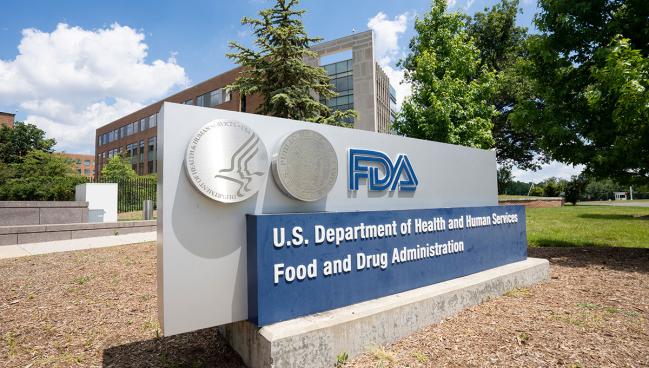
Uncertainties about efficacy and longer-term safety with the Ventura interatrial shunt system (V-Wave, a Johnson & Johnson company) doomed the technology when vetted by a US Food and Drug Administration advisory committee on Wednesday.
Though implantation of the shunt was considered relatively safe over the short term by members of the circulatory system devices panel of the FDA’s medical devices advisory committee, the panelists were not convinced of its efficacy. Questions about whether the shunt is effective and whether the benefits outweigh the risks received unanimous “No” votes.
In a 9-6 vote, the panelists endorsed its overall safety, although they voiced lingering questions about potential longer-term safety concerns.
Going into the meeting, V-Wave had proposed that the Ventura shunt system, if approved, would be indicated to reduce the risk of hospitalization for heart failure (HF) in patients with NYHA class III HF who remained symptomatic despite the use of guideline-directed medical therapy, had an LVEF of 40% or less, and were deemed eligible for shunt therapy by a heart team.
The restriction to patients with a reduced ejection fraction (HFrEF) was based on results of the RELIEVE-HF trial, which failed to meet its primary endpoint—a composite of all-cause mortality, left ventricular assist device/heart transplantation, HF hospitalization, outpatient worsening HF events, and change in the Kansas City Cardiomyopathy Questionnaire score—but pointed toward a benefit of the device in the subset of patients with HFrEF and harm in the subset with preserved ejection fraction (HFpEF).
I understand the necessity to instill hope in our patients, but . . . it has to be legitimate hope. Clyde Yancy
Members of the advisory panel, chaired by Richard Lange, MD (Texas Tech University Health Sciences Center El Paso), grappled with how to interpret that discrepancy while mulling the results of numerous post hoc and exploratory analyses over the daylong meeting.
They largely agreed that the procedural and periprocedural safety of the Ventura shunt system is good. “Clearly, in the right hands, the safety of deploying these devices is impressive,” panel member Mitchell Krucoff, MD (Duke Clinical Research Institute, Durham, NC), said. But he and others expressed uncertainty about potential longer-term safety issues and what to do if a patient’s ejection fraction improves into the range of HFpEF.
When it came to discussions about effectiveness and the risk-benefit balance, however, panelists were more skeptical. The additional analyses performed after the trial failed on the primary endpoint involved “statistical gymnastics or acrobatics” to look for a benefit after the primary endpoint was not met, panel member Richard Page, MD (University of Vermont, Burlington), said. “The degree of work to find statistical significance, or find a statistical signal, is more than really we can bear.”
And without a definitive benefit, the members of the panel felt that there was not enough current evidence to endorse approval of the technology, despite the fact that the group of patients encompassed by the proposed indication have a need for additional therapies.
“Too often these days, especially in desperation, people are going to something that they believe might help or feel it ought to be available to them just in case it could help because the risk is relatively low or they’re in a desperate situation,” Page said. But, he added, “there’s a cost to providing false hope. There’s a cost to displacing other therapies and other efforts to find something that truly works.”
Panelist Clyde Yancy, MD (Northwestern Medicine, Chicago, IL), picked up a similar thread. “I understand the necessity to instill hope in our patients, but it can’t be hope on a feigned basis. It has to be legitimate hope,” he said.
Even though the data from RELIEVE-HF could not prove a definitive benefit with the Ventura shunt, this should not be the end of the line for research into interatrial shunting, he indicated.
“I don’t want to leave this discussion with a condemnation of this technology, but rather say that we remain in equipoise,” Yancy said. “We know that there’s minimal risk. We’re still trying to find the right patient population. But I think it’s important that we maintain that equipoise and understand the necessity to continue to think about this.”

Todd Neale is the Associate News Editor for TCTMD and a Senior Medical Journalist. He got his start in journalism at …
Read Full BioSources
US Food and Drug Administration. December 3, 2025: Circulatory system devices panel advisory committee meeting announcement. Published on: December 1, 2025. Accessed on: December 5, 2025.
Related News


Comments