Ultraprocessed Food Again Linked to Higher CVD Risk: MESA
In the diverse cohort, risks were particularly amplified in Black Americans, likely due to structural and environmental factors.

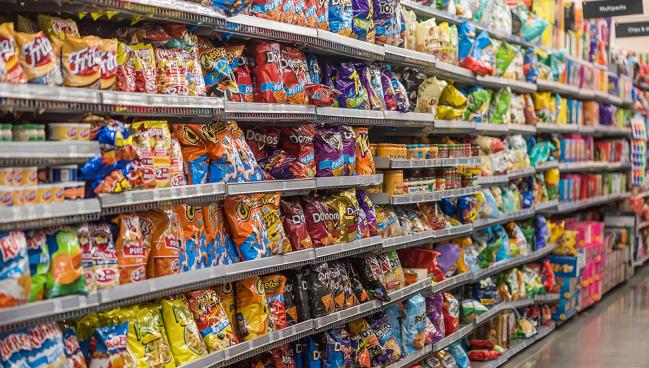
A diet heavy in ultraprocessed food is associated with an increased risk of incident cardiovascular disease in a racially and ethnically diverse population of men and women, a new observational analysis shows.
In follow-up of participants enrolled in the Multi-Ethnic Study of Atherosclerosis (MESA), each additional daily serving of ultraprocessed food was associated with a 5.1% relative increase in incident cardiovascular disease, investigators report this week in JACC: Advances.
“The results were quite consistent and, in some ways, not surprising,” senior researcher Michael Shapiro, DO (Wake Forest University, Winston-Salem, NC), told TCTMD. “We observed a clear, graded association between higher ultraprocessed food intake and increased risk of cardiovascular events.”
While each additional daily serving was associated with a modest increase in risk, “when you look across the full range of intake, the difference becomes clinically meaningful,” said Shapiro. “Importantly, these associations persisted even after adjusting for a wide range of sociodemographic, lifestyle, and cardiometabolic factors. That suggests that ultraprocessed food intake is capturing something beyond traditional risk factors alone.”
Ultraprocessed foods—packaged snacks, frozen pizza, energy drinks, soda, and breakfast cereals, among many other items—are industrially manufactured products frequently modified by chemical processes. Numerous flavors, colors, emulsifiers, and other additives are part of the manufacturing, with the nutrient combinations engineered to maximize the rewarding effects of consumption. These products are usually sold in quick, ready-to-eat packaging.
“They tend to be energy dense, high in refined carbohydrates, added sugars, sodium, and unhealthy fats, and relatively low in fiber and micronutrients,” said Shapiro. “They are also engineered to be hyperpalatable, which can promote excess intake. Beyond that, there is emerging evidence that these foods may influence satiety signaling, the gut microbiome, and inflammatory pathways.”
Studies over the years have shown that diets heavy in ultraprocessed food are linked to a higher risk of atherosclerotic cardiovascular disease (ASCVD). However, much of the research has been done in white participants or other homogeneous populations outside the United States. In 2025, the advisory committee for the Dietary Guidelines for Americans called for further study in more diverse groups in the US.
“The Multi-Ethnic Study of Atherosclerosis provides a unique opportunity to examine this question in a well-characterized, diverse US cohort,” said Shapiro. “We also wanted to explore whether the strength of the association differed across subgroups, including race and ethnicity, sex, and socioeconomic status, which is a question that has not been adequately addressed before.”
Higher Risk of Incident CVD
The researchers identified US adults ages 45 to 84 years without clinical disease at baseline. Among the 3,438 females and 3,093 men, 39% were white, 27% Black, 22% Hispanic, and 12% Chinese. One-third had a yearly total gross family income of less than $25,000, 46% had an income of $25,000 to $75,000, and 22% made more than $75,000.
On average, 4.38 servings of ultraprocessed food were consumed each day, with those in the lowest quintile having 1.14 servings and those in the highest consuming 9.30 servings. Overall, ultraprocessed food made up 28% of total daily food servings, reaching as high as 41% for those in the highest quintile. Among Black participants, ultraprocessed food made up 32% of total daily food servings compared with 30%, 25%, and 19% in the White, Hispanic, and Chinese groups, respectively.
We should recognize that this is not solely an issue of personal choice. Michael Shapiro
Over 83,870 person-years of follow-up, there was a significant association between ultraprocessed food consumption and incident cardiovascular disease, a composite endpoint that included nonfatal MI, resuscitated cardiac arrest, coronary heart disease death, stroke (not transient ischemic attack), and death resulting from stroke (HR 1.051 for each additional daily serving; 95% CI 1.011-1.093).
When compared with people who ate the least amount of ultraprocessed food daily (those in the bottom 20%, who ate 1.14 servings per day), the rest of the study population had a 41% higher relative risk of cardiovascular disease. The relative risk of disease was 66% higher in those who ate the most ultraprocessed food (the top 20%, who consumed 9.3 servings per day) compared with those in the bottom quintile. These results were consistent when intake of ultraprocessed foods was calculated as a percentage of total daily food servings.
In subgroup analyses, items that fell into the category of sugary foods were most consistently associated with a higher risk of cardiovascular disease.
Risks Among Black Americans
There was also a significant “multiplicative interaction” between ultraprocessed food intake and Black race, such that the risk of cardiovascular disease was higher in Black individuals than in non-Black participants who ate a similar amount of ultraprocessed food. For every 10% increase in the percentage of ultraprocessed food making up total daily food intake, Black individuals had a 12.3% higher risk of incident CVD compared with a 7.9% increase in non-Black participants.
The finding “does not mean there is something biologically different that makes Black individuals more susceptible,” said Shapiro. “The more likely explanation relates to structural and environmental factors. Black communities in the US have historically faced disparities in access to healthy foods, greater exposure to ultraprocessed foods, and more targeted marketing of those products. There are also broader issues such as socioeconomic stressors and chronic stress that may amplify cardiometabolic risk.”
There was no interaction between ultraprocessed food consumption and sex or income.
In general, with the relationship between ultraprocessed foods and cardiovascular risk well established at the population level, Shapiro said the study shows that these foods are a “meaningful and potentially modifiable contributor to cardiovascular risk” at an individual level.
“For clinicians, it reinforces the importance of asking more detailed questions about diet and helping patients shift toward minimally processed foods where possible,” he continued. “At the same time, we should recognize that this is not solely an issue of personal choice. Broader structural factors, including food availability and marketing, play a major role, so meaningful progress will likely require both clinical and public health approaches.”
Lead researcher Amier Haidar, MD (University of California, Los Angeles), will present the results of the study next week at the American College of Cardiology 2026 Scientific Sessions in New Orleans, LA.

Michael O’Riordan is the Managing Editor for TCTMD. He completed his undergraduate degrees at Queen’s University in Kingston, ON, and…
Read Full BioSources
Haidar A, Rikhi R, Watson KE, et al. Association between ultraprocessed food consumption and cardiovascular disease risk: MESA (Multiethnic Study of Atherosclerosis). JACC Adv. 2026;Epub ahead of print.
Disclosures
- Shapiro and Haidar report no relevant conflicts of interest.
Related News


Comments