COVID-19: TCTMD’s Daily Dispatch for June Week 5
We’re curating a list of COVID-19 research and other useful content, and updating it daily.


TCTMD reporter Todd Neale is keeping up on breaking news and peer-reviewed research related to COVID-19 and will update daily. If you have something to share, tell us. All of our COVID-19 coverage can be found on our COVID-19 Hub.
July 2, 2021
The Delta variant “is exploiting low global vaccination rates and a rush to ease pandemic restrictions, adding new urgency to the drive to get more shots in arms and slow its supercharged spread,” according to an AP story detailing how the more-infectious variant—now found in more than 90 countries—is threatening to extend the pandemic. Due to Delta-driven concerns, “parts of Europe have reinstated travel quarantines, several Australian cities are in outbreak-sparked lockdowns—and just as Japan readies for the Olympics, some visiting athletes are infected. The mutation is causing worry even in countries with relatively successful immunization campaigns that nonetheless haven’t reached enough people to snuff out the virus.”
 Cardiovascular procedures for coronary lesions and failing aortic valves declined significantly when COVID-19 struck the United States last year, but the decrease in procedural volume did not affect all patients equally, according to a study published in the American Heart Journal. As TCTMD’s Michael O’Riordan reports, when procedural volumes decreased in early 2020, women, the elderly, those insured by Medicare, and Asian or Black individuals appeared to be disproportionately affected by the downturn.
In a roundup of news from Reuters, cases related to the variant are surging in Australia and Asia. The White House is planning to send “surge response” teams equipped with testing supplies and therapeutics to parts of the US experiencing COVID-19 outbreaks. Pandemic-related restrictions in the Tokyo area are likely to be extended by at least 2 weeks in response to rising case numbers less than a month before the Summer Olympic Games are set to begin. India’s official COVID-19 death toll is now over 400,000, although experts say the actual tally could be much higher. And Russia’s COVID-19 daily death total reached a new high on Friday (679) amidst a spike in cases blamed on Delta.
Luckily, available vaccines reportedly offer protection against Delta, albeit generally with somewhat reduced efficacy. Yesterday, Johnson & Johnson announced that its single-shot vaccine “generated strong, persistent activity against the rapidly spreading Delta variant and other highly prevalent SARS-CoV-2 viral variants,” with the immune response generated by the shot lasting at least 8 months.
 Heading into the July 4th weekend, the US will fall short of President Joe Biden’s goal to get 70% of adults at least partially vaccinated against COVID-19 before the holiday, CIDRAP News reports. A White House official said Thursday that the figure currently stands at 67%. COVID-19 cases in the US are up 10% compared with last week’s 7-day average, and US Centers for Disease Control and Prevention (CDC) Director Rochelle Walensky, MD, warned that people living in communities with low vaccination rates remain vulnerable.
Long-haul COVID (or just long COVID) “is our next public health disaster in the making,” researchers argue in a New England Journal of Medicine perspective, saying that “we can conservatively expect more than 15 million cases of long COVID resulting from this pandemic.” They outline five pillars upon which a coordinated national health policy action and response can be built, which “may go a long way toward mitigating the mounting human toll of long COVID.”
A story in STAT describes an interesting effort: “Amid the devastating COVID-19 pandemic, two researchers are proposing a drastic way to stop future pandemics: using a technology called a gene drive to rewrite the DNA of bats to prevent them from becoming infected with coronaviruses.” The aim would be to prevent viruses from jumping from bats to humans, with such spillover events believed to have caused previous coronavirus outbreaks, including SARS-1 and Middle East respiratory syndrome (MERS).
 Accumulating evidence shows that pet cats and dogs are at risk of catching COVID-19 from their owners, BBC News reports. In a study of households in which a person tested positive for SARS-CoV-2 in the previous 200 days, presented at the European Congress of Clinical Microbiology and Infectious Diseases, 4.2% of pets had an active infection and 17.4% had antibodies indicating a past exposure to the virus. Another study showed that 67% of cats and 43% of dogs living in households with a COVID-19-positive person tested positive for antibodies.
July 1, 2021
 The latest numbers from the World Health Organization (WHO) show that the number of COVID-19 cases across the globe increased slightly last week (by 2.72%) after falling for 8 weeks in a row, CIDRAP News reports. The number of weekly deaths continued to decline, however, reaching its lowest point since November 2020. The more-infectious Delta variant, which is expected to become the dominant variant around the world in the coming months, has now been confirmed in 96 countries, although the WHO says that is an underestimate. Delta has recently become the most common variant in the United States, the Wall Street Journal reports.
The WHO is blaming the ongoing Euro 2020 soccer (football) tournament for helping to spread SARS-CoV-2 around Europe as fans pack stadiums, bars, and spectator areas, Reuters reports: “A 10-week decline in new infections across Europe had come to an end and a new wave is inevitable if football fans and others drop their guard, WHO senior emergency officer Catherine Smallwood said in Copenhagen.”
Results from a phase III trial of Novavax’s COVID-19 vaccine candidate conducted in the United Kingdom, which have been released in interim form over the last several months, have been published in the New England Journal of Medicine. Vaccine efficacy when it came to preventing mild, moderate, or severe SARS-CoV-2 infection was 89.7%, with no hospitalizations or deaths in the vaccine arm. All severe infections were in the placebo group. Vaccine efficacy was 86.3% against the Alpha variant first detected in the UK and 96.4% against all other variants.
 In a real-world study of healthcare workers, first responders, and other essential and frontline workers, the mRNA vaccines were 91% effective at preventing COVID-19 in fully vaccinated participants and 81% effective in those who were partially vaccinated, according to results published Wednesday in NEJM. Among those who became infected with SARS-CoV-2, viral load was 40% lower in those who were at least partially vaccinated, and this group also had a lower risk of febrile symptoms and a shorter duration of illness. In a press release announcing some of the results on June 7, US Centers for Disease Control and Prevention (CDC) Director Rochelle Walensky, MD, said “these benefits are another important reason to get vaccinated.”
Confirming disappointing results from a phase IIb/III study of its vaccine candidate (CVnCoV) released 2 weeks ago, CureVac said Wednesday that a final analysis showed an overall efficacy of just 48% against COVID-19 of any severity. But the company indicated that it planned to move ahead with regulatory submissions based on findings from participants ages 15 to 60—overall vaccine efficacy of 53% against disease of any severity and 77% against moderate-to-severe infections, with no hospitalizations or deaths in the vaccine arm.
“Expanding the clinical case definition of COVID-19, the criteria for self-isolation, and eligibility for symptomatic testing could improve the UK’s pandemic response,” experts argue in the BMJ, saying that limiting tests just to those with symptoms currently listed—loss of taste or smell, cough, and fever—will either miss or delay identification of many cases. “The UK’s narrow clinical case definition impedes not only the identification of cases but also the understanding of SARS-CoV-2 transmission,” the authors note.
 Wearing a mask has some effects in people performing an exercise stress test, with use of a face covering associated with greater breathing resistance at peak exercise and lower peak VO2 and heart rates, researchers report in JAMA Network Open. Still, they say, “each experimental condition resulted in peak exercise values that generally remained within normal limits, and no exercise stress test required termination due to clinically indicated safety concerns. Thus, although it is possible that wearing a mask exerted a physical limitation on exercise capacity, the clinical relevance of such a possibility is not supported by these data.”
Performing a 12-lead ECG on COVID-19 patients who are in a prone position for ventilation purposes may yield some results that differ from those that would be obtained on patients lying faceup. A study in JACC: Clinical Electrophysiology showed that a prone ECG with precordial leads attached to the patient’s back was not reliable for detecting anterior myocardial injury but was useful for detecting ST-segment/T-wave abnormalities in limb leads and bundle branch block and for monitoring rhythm. The authors conclude that “the prone ECG is a useful screening tool with diagnostic utility in COVID-19 patients who require prone ventilation.”
The US Food and Drug Administration (FDA) has revoked emergency use authorizations for non-NIOSH-approved disposable respirators (effective July 6) and for decontamination and bioburden reduction systems (effective June 30) after stating at the end of May that healthcare workers should transition away from their use. “Based on the increased domestic supply of respirators . . . the FDA believes healthcare facilities should not use crisis capacity strategies any longer.”
A “superspreader” birthday party in Australia resulted in most attendees getting infected with SARS-CoV-2, with the exception of the six people who were fully vaccinated, Business Insider reports. New South Wales Health Minister Brad Hazzard told reporters that all 24 guests who tested positive were unvaccinated, underscoring the importance of COVID-19 shots. Australia, where only about 5% of people are fully vaccinated, is seeing outbreaks around the country.
June 30, 2021
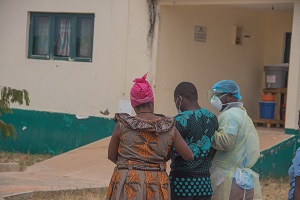 COVID-19 case numbers are surging in rural parts of Africa, home to most people on the continent, “spreading to areas that once had been viewed as safe havens from infections that hit cities particularly hard,” the Associated Press reports. “Africa has recorded over 5.3 million cases and is experiencing the worst of a wave driven by more-contagious and deadlier variants. The continent recorded a 39% increase in new cases in the week from June 14-20, according to the World Health Organization.”
Antiplatelet therapy does not improve outcomes among critically ill patients with COVID-19, according to initial, unpublished results released by REMAP-CAP investigators. Among patients receiving organ support in an ICU, use of either aspirin or a P2Y2 inhibitor was not effective compared with no antiplatelet therapy when it came to reducing the composite of death and organ support-free days. The probability of futility was 98%. “We look forward to receiving more detailed analysis that includes thrombotic and bleeding outcomes to properly understand the context of these results,” the investigators said.
The spread of the more-infectious Delta variant has experts debating whether mask usage should ramp back up, with no consensus yet, as highlighted in a New York Times story. In recent days, the World Health Organization (WHO) and Los Angeles County have recommended that even fully vaccinated people wear masks indoors, whereas health officials in other areas—Chicago and New York City, for example—said they don’t plan on revisiting their mask guidance. The US Centers for Disease Control and Prevention (CDC), which recently eased its mask recommendations, will leave it up to state and local health officials to provide guidance around the issue, CDC Director Rochelle Walensky, MD, said Wednesday, CNBC reports.
Deaths related to COVID-19 lowered the life expectancy at birth in Brazil by an estimated 1.3 years in 2020, according to a study in Nature Medicine. The researchers also estimated that COVID-19 deaths in 2021 have reduced life expectancy at birth by 1.8 years. Combined, that reverses 19% of the gains seen in the country since 2000, CIDRAP News reports. Brazil’s northern states were affected the most, with Amazonas residents losing 60.4% of improvements in life expectancy achieved since 2000. Overall, Brazil has the world’s third highest COVID-19 case total (behind the United States and India) and the second highest death total (behind the US).
According to a tracker from the Washington Post, the US—getting ready to head into a long July 4th holiday weekend—has seen a 17% increase in new COVID-19 cases in the past week, with deaths declining by 1.3% and hospitalizations falling by 4.2%. Increases in new infections have occurred in 28 states and the District of Columbia and decreases have been observed in 19 states. Numbers were little changed in Georgia, Idaho, and Vermont.
Researchers have created a new mask prototype that contains sensors able to detect the presence of SARS-CoV-2 at room temperature within about 90 minutes, as they describe in Nature Biotechnology. The sensors can also be incorporated into clothing, potentially opening up the opportunity to have lab coats that can monitor exposure to pathogens, an MIT News story notes. “We envision that this platform could enable next-generation wearable biosensors for first responders, healthcare personnel, and military personnel,” the senior author said.
 In a STAT opinion piece, Venkatesh Murthy, MD, Vinay Prasad, MD, and Brahmajee Nallamothu, MD, argue that “if COVID-19 vaccines can cause heart inflammation, caution should be warranted in those at risk.” They take issue with the CDC’s guidance on myocarditis/pericarditis following mRNA vaccination, because it doesn’t “advise against vaccination or even recommend that individuals who have experienced myocarditis—either from non-COVID-19 causes, from COVID-19 itself, or even from vaccination—discuss vaccination with their healthcare providers.” The concern, they say, is that the guidance “does not give sufficient deference to the potential for recurrent myocarditis.” Anybody who has had myocarditis from any cause should have careful discussions with their doctors before proceeding, they say.
A review in BMJ Open identifies the features of an effective public health response aimed at stemming the spread of a novel infectious disease like COVID-19: “These include border controls, restricted entry, inbound traveler quarantine, and comprehensive case finding; repeated testing to minimize false diagnoses and pooled testing in resource-limited circumstances; extended quarantine period and the use of digital tools for contact-tracing and self-isolation. Support for mental or physical health and livelihoods is needed for individuals undergoing self-isolation/quarantine.”
June 29, 2021
 Following a similar recommendation from the World Health Organization (WHO) in response to the threat posed by the spread of the Delta SARS-CoV-2 variant that first emerged in India, the Los Angeles County Department of Public Health has recommended that everyone—even those fully vaccinated—should wear masks indoors. The press release notes that for the week ending June 12, Delta accounted for nearly half of variants sequenced in the county.
On Tuesday, Moderna released results from in vitro neutralization studies indicating that its vaccine provides protection against all variants tested, including Delta, Beta (first detected in South Africa), and others. There was, however, a 2.1-fold reduction in neutralizing titers against Delta.
Oxygen prices jumped in Indonesia as the COVID-19 situation worsened and the Red Cross warned of a “catastrophe,” Reuters reports. “Indonesia has announced record daily COVID-19 infections of more than 20,000 in recent days, in a new wave fueled by the emergence of highly transmissible virus variants and increased mobility after the Muslim fasting month.”
As lockdowns are put in place in Sydney and other parts of Australia to contain new spread of SARS-CoV-2, the country is offering the Oxford/AstraZeneca vaccine to all adults in an effort to speed the pace of immunization, the Associated Press reports. The supply of the Pfizer/BioNTech vaccine is not great enough to meet demand, and only 5% of the Australian population is fully vaccinated. “The government late Monday agreed to indemnify doctors who administer the AstraZeneca vaccine that has been blamed for at least two fatalities from a rare blood clot complication in Australia since April.”
“Freedom Day” in the United Kingdom—when most of the remaining COVID-19 restrictions will be lifted—looks like it will come on July 19, Reuters reports. It was initially supposed to occur on June 21, but was postponed after the Delta variant spread around the country and COVID-19 cases spiked. “With every day that goes by it’s clearer to me and all our scientific advisers that we're very likely to be in a position on July 19 to say that really is the terminus and we can go back to life as it was before COVID as far as possible,” Prime Minister Boris Johnson said.
MI outcomes were worse in the initial phases of the COVID-19 pandemic in Lithuania than in the year prior, possibly driven by patients taking longer to seek medical attention, according to a study presented at Heart Failure 2021, a congress of the European Society of Cardiology. Patients treated between March 11 and April 20, 2020, had a significantly lower posttreatment ejection fraction and were much more likely to be hospitalized for decompensated heart failure within 6 months (22% vs 2.5%) compared with patients treated during the same time period in 2019.
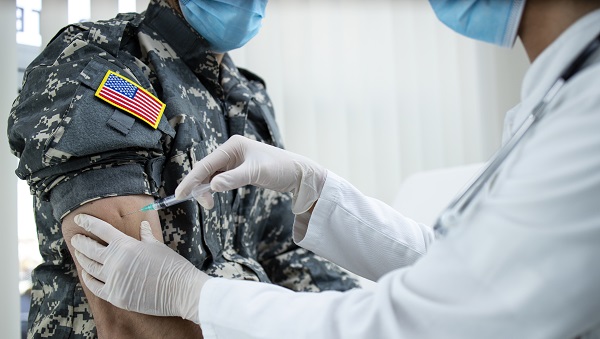 Two new case series published today in JAMA Cardiology support a temporal link between second doses of the mRNA-based COVID-19 vaccines and the development of acute myocarditis within 4 to 5 days. While the consensus remains that vaccine benefits outweigh the risks, TCTMD reports, more experts are calling for vigilance and some are suggesting it may be prudent to delay the second dose for young people.
For the first time, researchers have described a lethal case of thrombosis with thrombocytopenia potentially induced by an mRNA-based COVID-19 vaccine. As described in the Annals of Internal Medicine and reported by TCTMD, a 65-year-old man developed symptoms 10 days after receiving his second dose of the Moderna mRNA-1273 vaccine. This particular form of clotting abnormality, though extremely rare, has been seen among people who’ve received adenoviral-vector vaccines made by Oxford/AstraZeneca and Johnson & Johnson, drawing close scrutiny from European and US regulators.
 Mixing COVID-9 vaccines—as has been employed by some countries to work around safety concerns with certain shots—appears to be a viable strategy, according to findings published in the Lancet. In a phase II study of people who had already received a single dose of the Oxford/AstraZeneca vaccine, a dose of the Pfizer/BioNTech vaccine “induced a robust immune response, with an acceptable and manageable reactogenicity profile.” Editorialists note that the study was limited by the lack of a comparator group who received a second dose of the Oxford/AstraZeneca vaccine and call for further studies, but they state that “heterologous vaccination regimens against COVID-19 provide an opportunity to speed up vaccination campaigns worldwide, maximizing their impact on the control of the pandemic.”
The CoronaVac vaccine developed by the Chinese company Sinovac induced immune responses and was safe in children and adolescents as young as 3, according to phase I/II results in the Lancet Infectious Diseases. Editorialists call the findings promising but urge a more-cautious approach to evaluating COVID-19 vaccines in children than in adults because of potential long-term impacts on their development. “Given the distinct immunogenicity profile and development stage of children, postmarketing surveillance of the vaccine safety should be done and maintained for a longer period than that in adults,” they say.
June 28, 2021
A study of the body’s immune response to the COVID-19 vaccines from Pfizer/BioNTech and Moderna, published Monday in Nature, suggests that protection may last for years. “Exactly how long the protection from mRNA vaccines will last is hard to predict,” Apoorva Mandavilli writes in the New York Times. “In the absence of variants that sidestep immunity, in theory immunity could last a lifetime, experts said. But the virus is clearly evolving.”
 More-infectious SARS-CoV-2 variants account for most new COVID-19 cases in the United Arab Emirates, which recorded its highest single-day virus-related death toll since March (10 people) on Saturday, Reuters reports. UAE authorities said the increase in deaths was related to the spread of the Beta, Delta, and Alpha variants, which account for 39.2%, 33.9%, and 11.3% of cases, respectively.
The island nation of Fiji is now experiencing a new wave of infections driven by the spread of the Delta variant, while a new surge in Indonesia has pushed the total number of cases to above 2 million. The Times of Israel reports that Israel reinstituted an indoor mask mandate late last week in response to the virus’ accelerating spread. In Australia, downtown Sydney and its eastern suburbs entered into a 1-week lockdown due to a spike in cases caused by the Delta variant, Reuters reports, with outbreaks reported in other parts of the country as well (BBC News). South Africa, too, has tightened restrictions in response to a growing Delta-related threat, the Associated Press reports.
The World Health Organization (WHO) advised even fully vaccinated people to continue to wear masks and take other steps to limit virus transmission as the Delta variant continues to spread rapidly around the world, CNBC reports. “People cannot feel safe just because they had the two doses. They still need to protect themselves,” a WHO official said a news briefing last week.
 Also last week, the US Food and Drug Administration (FDA) issued an emergency use authorization for tocilizumab (Actemra; Genentech) for the treatment of hospitalized adult and pediatric patients who are receiving systemic corticosteroids and require supplemental oxygen, noninvasive or invasive mechanical ventilation, or extracorporeal membrane oxygenation. The decision was based on clinical trials showing that tocilizumab reduced the risk of death or ventilation/death through 28 days and shortened hospital stays, although results from trials of tocilizumab in COVID-19 have been mixed.
As expected, the FDA on Friday announced revisions to fact sheets for patients and healthcare professionals for the vaccines from Moderna and Pfizer/BioNTech to reflect information on risks of myocarditis and pericarditis. The warning on the sheet for clinicians administering the vaccines “notes that reports of adverse events suggest increased risks of myocarditis and pericarditis, particularly following the second dose and with onset of symptoms within a few days after vaccination.” The sheet for vaccine recipients and caregivers stresses the importance of seeking immediate medical attention if certain cardiac symptoms occur after getting the shot.
A Reuters story delves into deliberations over whether people who have received the one-shot Janssen vaccine from Johnson & Johnson will need to take a booster dose of one of the mRNA vaccines to counter the Delta-variant threat. Some infectious disease specialists have said they’ve already done just that, even without evidence supporting the approach. “There is no substantial data showing how protective the J&J vaccine is against the new variant,” the story notes. “However, UK studies show that two doses of either the Pfizer/BioNTech or AstraZeneca vaccines are significantly more protective against the variant than one.”
 Some experts believe that full FDA approval for the COVID-19 vaccines would help address vaccine hesitancy, according to a story in The Hill: “Some unvaccinated people view the current emergency use authorizations for the vaccines as an indicator they are still experimental and not fully tested, despite the rigorous process that went into those authorizations.”
Poor mental health is common among US state, tribal, local, and territorial public health workers during the COVID-19 pandemic, according to survey data in Morbidity and Mortality Weekly Report. Slightly more than half of respondents (53%) reported symptoms of at least one mental health condition during the previous 2 weeks, including posttraumatic stress disorder (36.8%), depression (32.0%), anxiety (30.3%), and suicidal ideation (8.4%). “Implementing prevention and control practices that eliminate, reduce, and manage factors that cause or contribute to public health workers’ poor mental health might improve mental health outcomes during emergencies,” the authors say.


Todd Neale is the Associate News Editor for TCTMD and a Senior Medical Journalist. He got his start in journalism at …
Read Full BioRelated News


Comments